Toy Poodle dental care
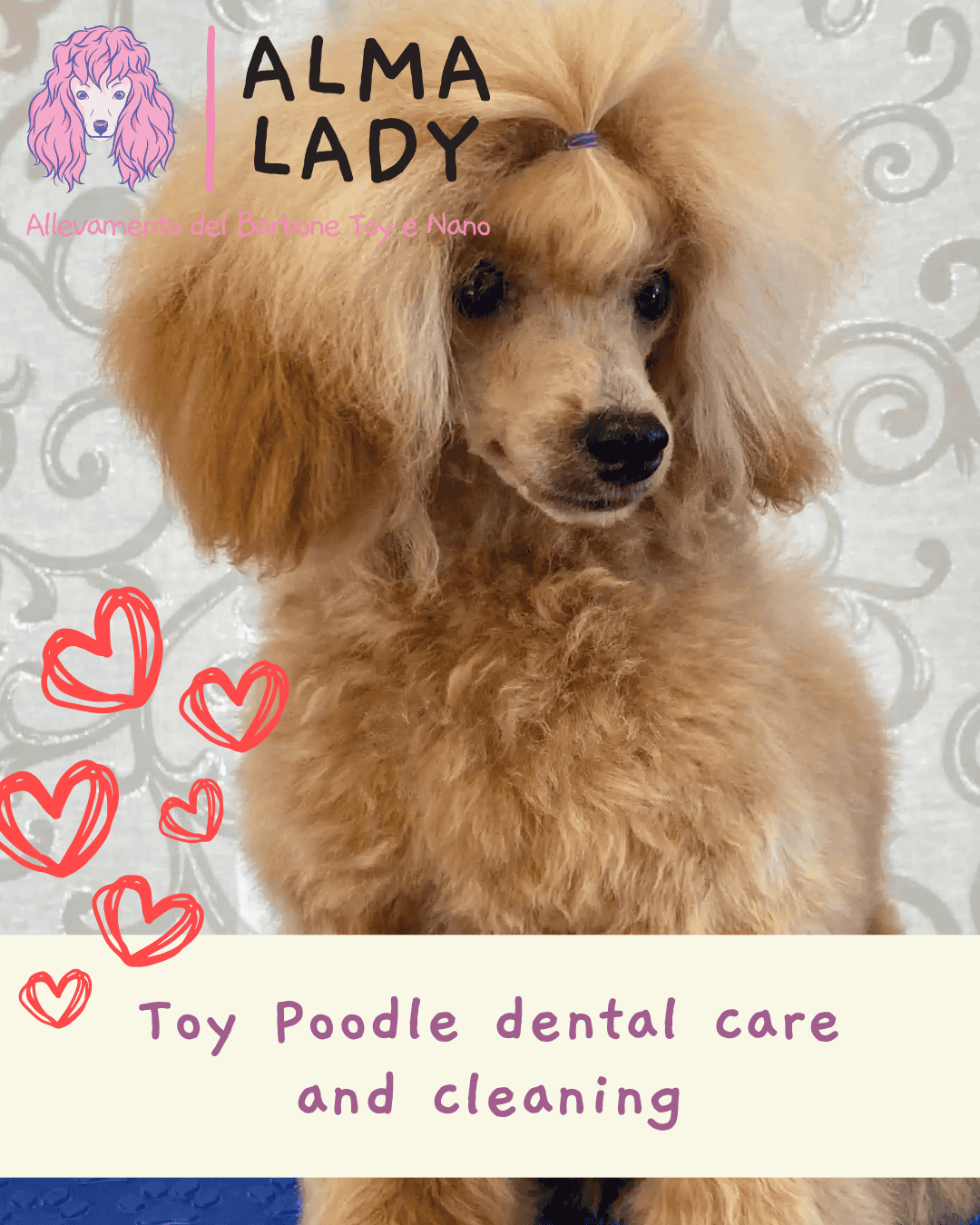
Toy Poodle dental care is a key aspect of its overall well-being. This elegant and delicate breed is predisposed to a number of dental problems typical of small dogs, such as tartar buildup, gingivitis and, most importantly, the presence of so-called “double teeth,” which can compromise proper mouth closure and cause infections if not managed promptly.
In this article, we take a professional and in-depth look at how to take your Toy Poodle dental care, when to intervene and what signs to watch for to ensure your dog’s mouth is healthy and functional, always in cooperation with your veterinarian’s office.
1. The importance of the toy poodle dental care.
The Toy Poodle, due to its small size and muzzle conformation, has very compact dental arches. This results in an increased risk of plaque and tartar accumulation, especially on molars and premolars. Bacterial plaque, if not removed regularly, mineralizes turning into tartar, causing bad breath, gum inflammation and tooth mobility.
Thorough oral hygiene is therefore essential to prevent a simple plaque deposit from evolving into periodontitis, a condition that can lead to tooth loss and, in severe cases, systemic infections affecting the heart, liver, and kidneys.
2. Daily cleaning and prevention
Regular cleaning of the Toy Poodle’s teeth is the basis for a healthy mouth. It is recommended:
- Brush teeth daily with a dog-specific toothbrush and enzymatic toothpaste (never human products).
- Accustom your puppy from an early age to muzzle manipulation and oral hygiene, making the routine a positive time and rewarding him after each session.
- Use dental snacks and chewable toys that promote mechanical tooth cleaning and help reduce plaque.
- Schedule periodic checkups with the veterinarian, at least twice a year, to assess the condition of the oral cavity and, if necessary, perform professional scaling under anesthesia.
3. Double teeth: what they are and when to worry
During the growth of the Toy Poodle, around 4-6 months of age, milk teeth are gradually replaced by permanent teeth. In some individuals, however, the deciduous (baby) teeth do not fall out spontaneously and remain next to the permanent teeth: we speak in this case of double or persistent teeth.
This phenomenon is quite common in small dogs and, if left untreated, can cause:
- Tooth misalignment;
- Alterations in mouth closure (malocclusion);
- Accumulation of food and plaque between overlapping teeth;
- Gingival inflammation and pain during chewing.
4. When to notice double teeth
The owner can notice the presence of double teeth by carefully observing the puppy’s mouth. The most common signs are:
- Double row of anterior teeth, especially canines or incisors;
- milk teeth still present beyond 6-7 months of age;
- Reddened or swollen gums with plaque buildup in the affected area;
- Difficulty chewing or picking up food;
- Persistent bad breath.
It is essential to take early action and consult your veterinarian for the most complete your toy poodle dental care : the retention of baby teeth beyond the physiological time can hinder the proper eruption of permanent teeth, forever compromising the closing of the mouth.
5. When and how to intervene (only the veterinarian can do this)
Removal of double teeth should be done only by a veterinary doctor, in a sterile environment and under anesthesia.
Extraction is evaluated according to the dog’s age, the position of the teeth, and the eruption status of the permanent teeth.
Never attempt to remove teeth on your own: you risk gum injury, bleeding or root fractures, with even serious consequences.
The veterinarian, after clinical evaluation, will determine whether to proceed immediately with extraction or wait a few more weeks, monitoring spontaneous fall.
6. After extraction: toy poodle dental care
After surgery, it is essential:
- Strictly adhere to the treatment prescribed by the veterinarian (antibiotic and anti-inflammatory);
- Keep the mouth clean with specific disinfectant solutions or gels;
- Feed the dog with soft food for a few days;
- Resume normal oral hygiene only after complete healing of the gums.
Conclusion: toy poodle dental care
Proper oral hygiene, combined with periodic veterinary checkups, is the best form of prevention to maintain the Toy Poodle dental care.
Paying attention to double teeth from the earliest months of life is essential to avoid future problems and ensure perfect toy poodle dental care.
Always remember: any decision regarding dental extractions or treatments must be made by the veterinarian, the only professional licensed to intervene safely and with respect for the animal’s well-being.
FAQ - Frequently Asked Questions -

How you should properly brush a Toy Poodle' s teetch ?
To properly brush a toy poodle’s teeth, it is necessary to use a dog-specific toothbrush (preferably a finger brush) and veterinary toothpaste, never human toothpaste. The operation should be performed with gentle, circular movements, focusing especially on the gum line, where plaque and bacteria accumulate. It is advisable to accustom the puppy gradually, turning brushing into a positive, non-stressful routine.
How often should you brush a Toy Poodle's teeth
In the toy poodle, teeth should be brushed daily or at least 3-4 times a week. This breed is particularly prone to tartar, gingivitis and early tooth loss due to its small jaw. Frequent brushing is the only truly effective method of preventing dental problems and reducing the need for invasive veterinary procedures.
Is the Toy Poodle more prone to dental problems compared to other breeds ?
Yes. The toy poodle is one of the breeds most prone to dental problems, such as tartar buildup, halitosis, gingivitis and dental mobility. This occurs because the teeth are often very close together and the jaw is shortened. For this reason, dental care is not optional, but a fundamental part of the dog’s daily management.
Are dental chews and dry food enough to clean a Toy Poodle's teeth ?
No. Dental snacks, chews, and kibble can support oral hygiene, but they are no substitute for manually cleaning the toy poodle’s teeth. In the toy poodle, these products have limited effect and do not remove plaque effectively. Only regular brushing allows true prevention of dental disease.
By Alma Lady Kennel: toy and miniature poodle breeder ENCI/FCI registered, Villanova Mondovì, Italy.